
Blog
DOT vs. ECE 22.06 in 2026: Is Your Motorcycle Helmet Actually Protecting You or Just Legal?

Biker Clothing

Biker Clothing



Biker Clothing


Biker Clothing

Biker Clothing
Sport Touring & ADV Motorcycle Boots
Short Motorcycle Boots & Riding Shoes
DOT vs. ECE 22.06 in 2026: Is Your Motorcycle Helmet Actually Protecting You or Just Legal?
Have you ever looked at the tag stitched onto your helmet strap while waiting at a red light and wondered what those letters actually mean? For many riders, DOT and ECE are just regulatory acronyms that keep traffic police from handing out fines.
Here is the hard truth for 2026: not all certified helmets absorb impact energy the same way.
With the legacy ECE 22.05 standard completely wiped off retail shelves across Europe and international markets, ECE 22.06 has taken over as the non-negotiable global benchmark. Meanwhile, the American DOT (FMVSS 218) standard remains heavily debated.
Are you paying for real-world head protection or just a piece of certified plastic? Let’s break down what these safety labels actually do when your tires lose traction.

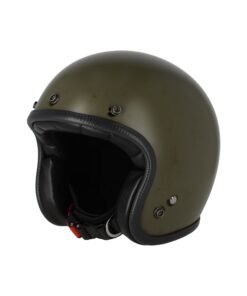
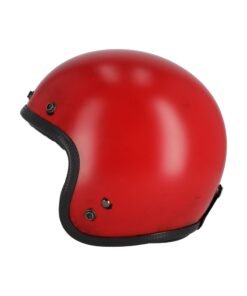
https://riderdistrict.com/70s-helmets-skull-garage/
1. The Truth About DOT Certification (FMVSS 218): Enough or Outdated?
The DOT (FMVSS 218) rating is the baseline legal requirement for riding on public roads in the United States. Established under Federal Motor Vehicle Safety Standard 218, it defines minimum impact absorption and structural requirements.
The Self-Certification Loophole
Unlike European or international testing bodies, DOT certification does not require a helmet to be tested in an official government lab before hitting store shelves. The manufacturer tests the helmet internally, prints the DOT sticker, and puts it on the market. The U.S. National Highway Traffic Safety Administration (NHTSA) only performs random post-market laboratory audits.
Key DOT Testing Standards:
-
Linear Impact Absorption: High-velocity drop tests onto flat and hemispherical steel anvils.
-
Penetration Resistance: Dropping a sharp striker onto the shell to ensure objects cannot pierce through.
-
Retention System Strain: Pulling the chin strap under heavy load to ensure it won’t snap.
-
Field of Vision: Ensures at least 105 degrees of peripheral vision on each side.
⚠️ The 2026 Reality: DOT tests prepare a helmet for hard, straight-on linear impacts. However, it completely ignores rotational acceleration—how the human head twists inside the helmet when sliding across asphalt.
Explore our dual-homologated DOT and ECE 22.06 motorcycle helmets.:
https://riderdistrict.com/open-face-motorcycle-helmets/
2. ECE 22.06: The Gold Standard Reshaping Helmet Safety
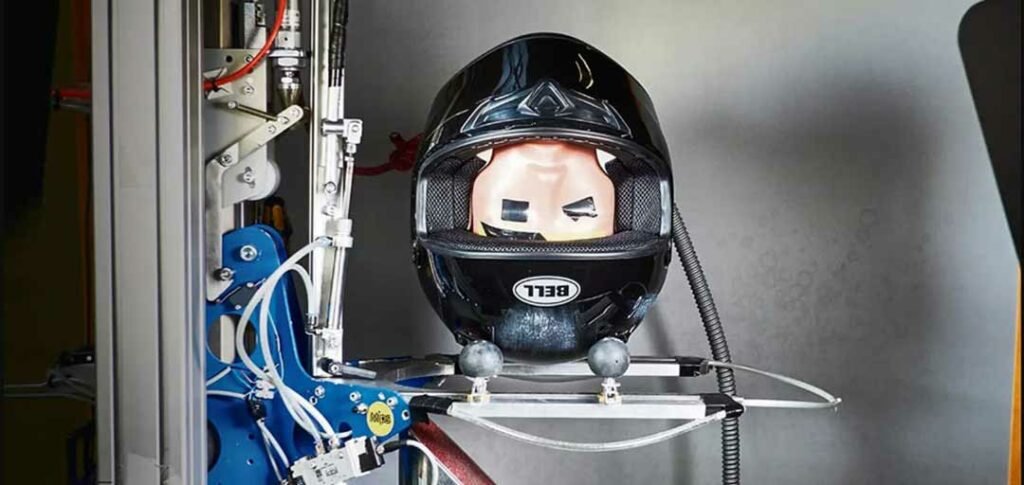
If you ride in Europe or purchase gear from top-tier global brands, ECE 22.06 is the non-negotiable safety standard governed by the United Nations Economic Commission for Europe. In 2026, it is enforced in over 50 countries worldwide.
Unlike DOT, no ECE 22.06 helmet can enter the retail market without passing rigorous tests in accredited independent laboratories.
4 Game-Changing Tests Required by ECE 22.06:
-
Mandatory Rotational Impact Testing: Real-world crashes rarely happen at a perfect 90-degree angle. You hit the pavement while moving forward, causing sudden rotational acceleration of the brain (leading to diffuse axonal injury). ECE 22.06 measures and caps this rotational force.
-
Multi-Speed & Multi-Angle Impacts: A helmet shell that is overly stiff might survive a violent crash, but it can transfer dangerous shockwaves directly to your brain during a minor 20 mph city spill. ECE 22.06 tests 18 different impact points at both high and low speeds.
-
Environmental Conditioning: Helmets are drop-tested after being frozen at -20°C (-4°F), baked at +50°C (122°F), and drenched in high-intensity UV light to ensure the shell doesn’t degrade in extreme weather.
-
Accessory Co-Homologation: Bluetooth intercoms, action camera mounts, and drop-down sun visors must be tested fitted on the helmet to ensure they do not create dangerous pressure points during a crash.
browse our full collection of ECE 22.06 full-face helmets:
🔗 https://riderdistrict.com/full-face-motorcycle-helmets/
3. What’s New in 2026: Intercom Rules, Stock Bans & FIM Phase 2
The full enforcement of ECE 22.06 has introduced three major updates that directly affect how you select and set up your gear in 2026:
A) The Death of ECE 22.05 Retail Stock
Motorcycle gear retailers across Europe and major international markets can no longer legally sell leftover ECE 22.05 inventory. While you can still legally wear an older 22.05 helmet you already own, any new helmet purchased from a reputable dealer today carries the far superior 22.06 certification.
B) Bluetooth Intercom & Camera Homologation
Do you have a heavy external Bluetooth unit or an action camera clamped to the side of your helmet? Under ECE 22.06 rules, external accessories cannot compromise structural safety. Rigid objects protruding from the shell can catch on the asphalt during a slide, creating dangerous neck rotation. Manufacturers now co-certify helmets with specific integrated intercom systems. Using unauthorized bulky external mounts can technically invalidate a helmet’s safety rating.
C) Track & Off-Road Homologation (FIM FRHPhe-02)
For track enthusiasts and competitive racers, ECE 22.06 serves as the baseline, but the International Motorcycling Federation enforces FIM FRHPhe-02. This standard adds specialized penetration resistance against wedge-shaped anvils and dedicated off-road visor tear-away safety protocols.
🔗 INTERCOM
Check out helmet-compatible motorcycle intercom systems.
DOT vs. ECE 22.06 vs. FIM: 2026 Quick Comparison
| Feature / Standard | DOT (FMVSS 218) | ECE 22.06 | FIM FRHPhe-02 |
| Primary Region | United States | Europe, UK, Australia, Asia, Global | International Racing (MotoGP, WorldSBK, Off-Road) |
| Testing Protocol | Self-certified by manufacturer | Independent accredited lab testing | Independent specialized lab testing |
| Rotational Impact Test | ❌ No | ✅ Yes (Mandatory) | ✅ Yes (Advanced oblique impact) |
| Low-Speed Impact Test | ❌ No | ✅ Yes (Multi-speed 18 points) | ✅ Yes (Track-optimized) |
| Intercom / Accessory Test | ❌ No | ✅ Yes (Tested with fitted accessories) | ❌ N/A (Pure track focus) |
| Retail Ban on Old Stock | N/A | ✅ ECE 22.05 stock fully banned from retail | ✅ Strict event enforcement |

Interactive Check: Read Your Helmet Tag Right Now
Grab your helmet and examine the fabric tag stitched onto the chin strap (or the rear sticker if you purchased it in North America):
-
If it reads
E3 051234...: Your helmet carries the older ECE 22.05 rating. While still legally usable if purchased previously, keep in mind that internal EPS liners degrade over 3–5 years due to sweat and UV exposure. It is time for an upgrade. -
If it reads
E9 063001...: You are fully protected under ECE 22.06. The initial 06 digits confirm compliance with the latest global safety testing. -
If it only has a printed
DOTsticker with no stitched strap label: Exercise caution. This helmet is illegal to ride on European roads, and if purchased from an unverified online retailer, it may be a non-compliant novelty helmet.
Legal Consequences & Insurance Coverage in 2026
Riding without proper certification carries consequences beyond physical injury:
-
Heavy Fines & Vehicle Impoundment: Traffic enforcement officers across Europe strictly inspect chin strap labels. Riding with a non-certified or DOT-only helmet results in heavy roadside fines and vehicle impoundment.
-
Denied Insurance Claims: Following a crash involving head trauma, insurance investigators routinely perise safety gear. Wearing an unapproved, expired, or structurally modified helmet (e.g., drilling into the shell for a mount) can lead to denied medical claims or reduced personal injury compensation based on contributory negligence.
Verdict: Which Helmet Standard Should You Choose in 2026?
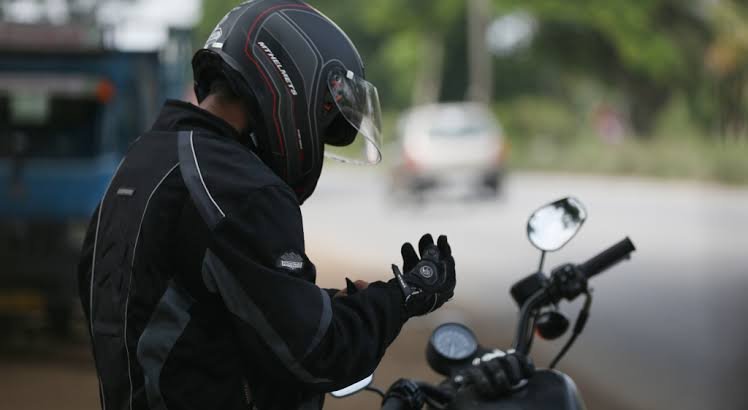
Always prioritize an ECE 22.06 certified helmet (or a dual-homologated DOT + ECE 22.06 model if you ride in North America).
ECE 22.06 accounts for real-world crash dynamics—including rotational forces and low-speed impacts—that legacy standards ignore. Scrapes on your leather jacket heal; your brain is irreplaceable. Verify the chin strap label before you buy.
🔗 https://riderdistrict.com/motorcycle-helmets/
Shop fully certified motorcycle helmets at Rider District.
What helmet are you currently riding with?
Drop a comment below with your current helmet model and let us know if you’ve checked your chin strap label today!
Open Face Motorcycle Helmets
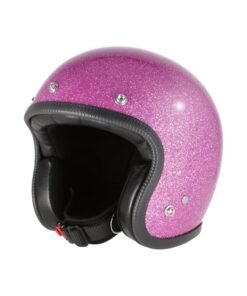
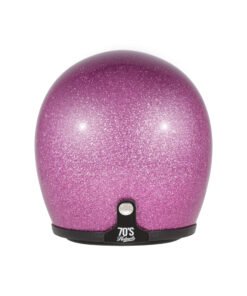
Open Face Motorcycle Helmets
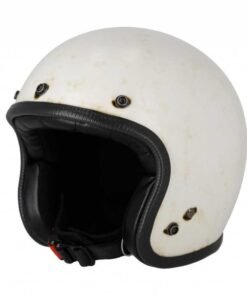
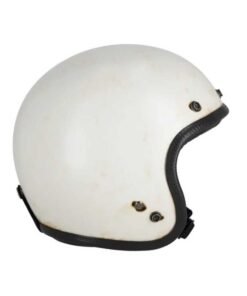
Open Face Motorcycle Helmets
Open Face Motorcycle Helmets
Open Face Motorcycle Helmets
Open Face Motorcycle Helmets
Open Face Motorcycle Helmets
Open Face Motorcycle Helmets